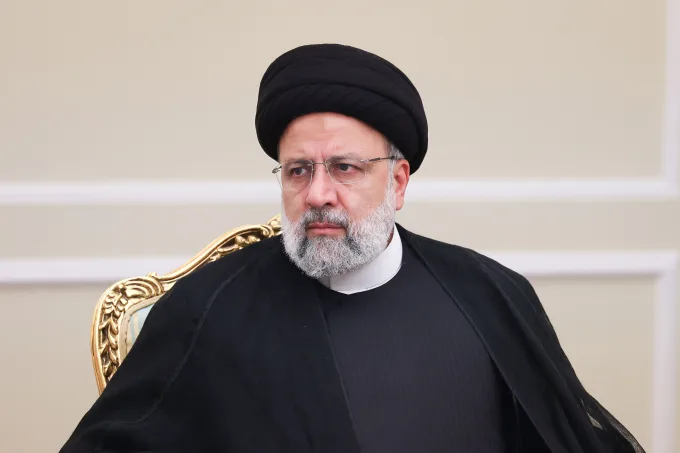
A helicopter carrying Iranian President Ebrahim Raisi crashed in the mountainous region of Varzeghan, near the village of Uzi, in Iran’s East Azerbaijan Province on Sunday, May 19. The helicopter was on its way to Tabriz, returning from a ceremony to open a dam on Iran’s border with Azerbaijan.
Eight other people were on board. The country’s foreign minister and seven others were killed after the crash in a remote, mountainous area of Iran’s northwest.
Raisi who passed at 63 years was the second-most powerful person in the Islamic Republic after Supreme Leader Ayatollah Ali Khamenei.
Iran’s First Vice President Mohammad Mokhber is now acting president, and Ali Bagheri Kani has been appointed acting foreign minister.
The president’s death comes at a fraught moment in the Middle East just week after Iran launched a drone and missile attack on Israel in response to a deadly strike on its diplomatic compound in Damascus.
The death of Raisi comes at a sensitive time
domestically for Tehran and seven months into
Israel’s war against Hamas in Gaza that has sent tensions soaring throughout the Middle East – and brought a decades-long shadow war between Israel and Iran out into the open.
Hardliner Raisi became president in a historically uncompetitive election in 2021. He has overseen intensified repression of dissent in a nation convulsed by youth-led protests against clerical rule.
Iranian Supreme Leader Ayatollah Ali Khamenei has however, announced five days of public mourning after a helicopter crash killed President Ebrahim Raisi, the country’s foreign minister, and seven others.
In a message carried by Iran’s state news agencies, Khamenei expressed his condolences over the deaths and confirmed Iran’s first Vice President Mohammad Mokhber is now managing the executive branch saying “he is obliged to arrange with the heads of the legislative and judicial branches to elect a new president within a maximum of fifty days.”